Frequently asked questions
Answers to common questions about shipping vehicles, packages, household goods, and documents from the USA.
General
Common questions about how to get started and what to expect.
East Coast Freight Logistics is an international freight forwarder coordinating consolidated package shipping and household goods shipments from the United States to Hungary. Vehicle and full-container shipping to other European destinations may be arranged depending on the route and service requirements. We plan the shipment, handle documentation, and coordinate pickup, warehouse handling where applicable, ocean transportation, and destination-side steps. Specific transportation legs are performed by licensed carriers, terminals, and other qualified providers as part of that process.
Send us what you want to ship, its US location, and the destination. We aim to respond within one business day and will tell you if more information is needed for an estimate. Contacting us before purchase can help you account for shipping costs before you commit.
Ocean transit from the United States to a European port is commonly estimated at 2 to 6 weeks, depending on the route. The full timeline also includes US inland coordination, document preparation, carrier schedules, and port handling. We provide a shipment-specific estimate once the route and cargo details are known.
Customs requirements depend on the shipment and destination. We explain the documents commonly requested and, where agreed, coordinate with the appropriate destination partner. Customs authorities decide clearance outcomes, duties, and taxes.
Vehicle Shipping
Questions about shipping cars, motorcycles, boats, and other vehicles from the USA.
Yes. For container shipping, ECFL charges $900 once per shipping container containing one or more electric, hybrid, or plug-in hybrid vehicles. The number of these vehicles in that container does not change this ECFL charge. The charge does not automatically apply to RoRo shipping; we confirm any RoRo-related charges separately. Battery and handling requirements depend on the vehicle and route.
Send us the listing and yard or seller location before purchase if possible. After the vehicle is released and the required details are available, we can check pickup arrangements with the appropriate transport partner. Early contact matters because auction storage fees may begin shortly after purchase.
A salvage title requires case-by-case review. Export eligibility, destination import, and registration are separate questions and depend on the exact title status, damage history, and current rules. We can assess the shipping requirements; confirm Hungarian import and registration eligibility with the appropriate authority or qualified customs professional before purchase.
Commonly requested documents include the original title, purchase document or bill of sale, identification, and any auction release paperwork. Requirements vary by title type, state of origin, carrier, and destination. We confirm the applicable document list for the specific shipment before booking.
Customs duties depend on the vehicle's age, engine size, current value, and Hungarian and EU import rules at the time of import. We do not quote customs duties. These are determined by Hungarian customs authorities, not by us. For a specific estimate, consult a Hungarian customs agent before finalizing your purchase.
Ocean transit from a US East Coast port to a northern European port is commonly estimated at 2 to 4 weeks. The total timeline also depends on pickup, document readiness, carrier schedules, and port handling. We provide a current estimate for the specific route before booking.
We review non-running and damaged vehicles individually. A winch, forklift, or other equipment may be required for pickup or loading, which affects cost and route availability. Send the listing and condition details before purchase so we can check the practical requirements.
Packages
Questions about online purchases, boxes, parts, and smaller shipments from the USA.
Before ordering from Amazon.com, send us the product link, seller, value, dimensions, and destination so we can check whether a suitable US receiving and onward-shipping arrangement is available. Also compare direct European delivery where offered; it may be simpler or less expensive.
Combining purchases depends on the items, seller locations, arrival dates, and the receiving arrangement available for the shipment. Contact us before ordering. We will confirm whether consolidation can be arranged and compare it with separate shipping where useful.
Some items are prohibited or restricted for international shipment. Common examples include standalone lithium batteries in certain configurations, certain flammable liquids and aerosols, firearms and ammunition, and items prohibited by EU or Hungarian import law. If you are unsure about a specific item, ask before you buy it.
Customs duties and VAT on imports from the USA to Hungary depend on the item type and declared value. We do not quote customs duties. These are determined by customs authorities at the destination. Factor this into your cost estimate before buying. For a specific estimate, consult the Hungarian customs authority or a licensed customs agent.
Air and ocean shipping times depend on the route, carrier schedule, document readiness, and destination handling. Once we have the package details, the estimate will include the expected timing for the currently available arrangement.
Household Goods
Questions about shipping personal belongings and household items from the USA.
If the goods do not fill a container, LCL, or shared-container shipping, may be suitable. Larger volumes may justify a dedicated 20-foot or 40-foot container, known as FCL. The estimated volume, packing method, route, and current availability determine which arrangement is practical.
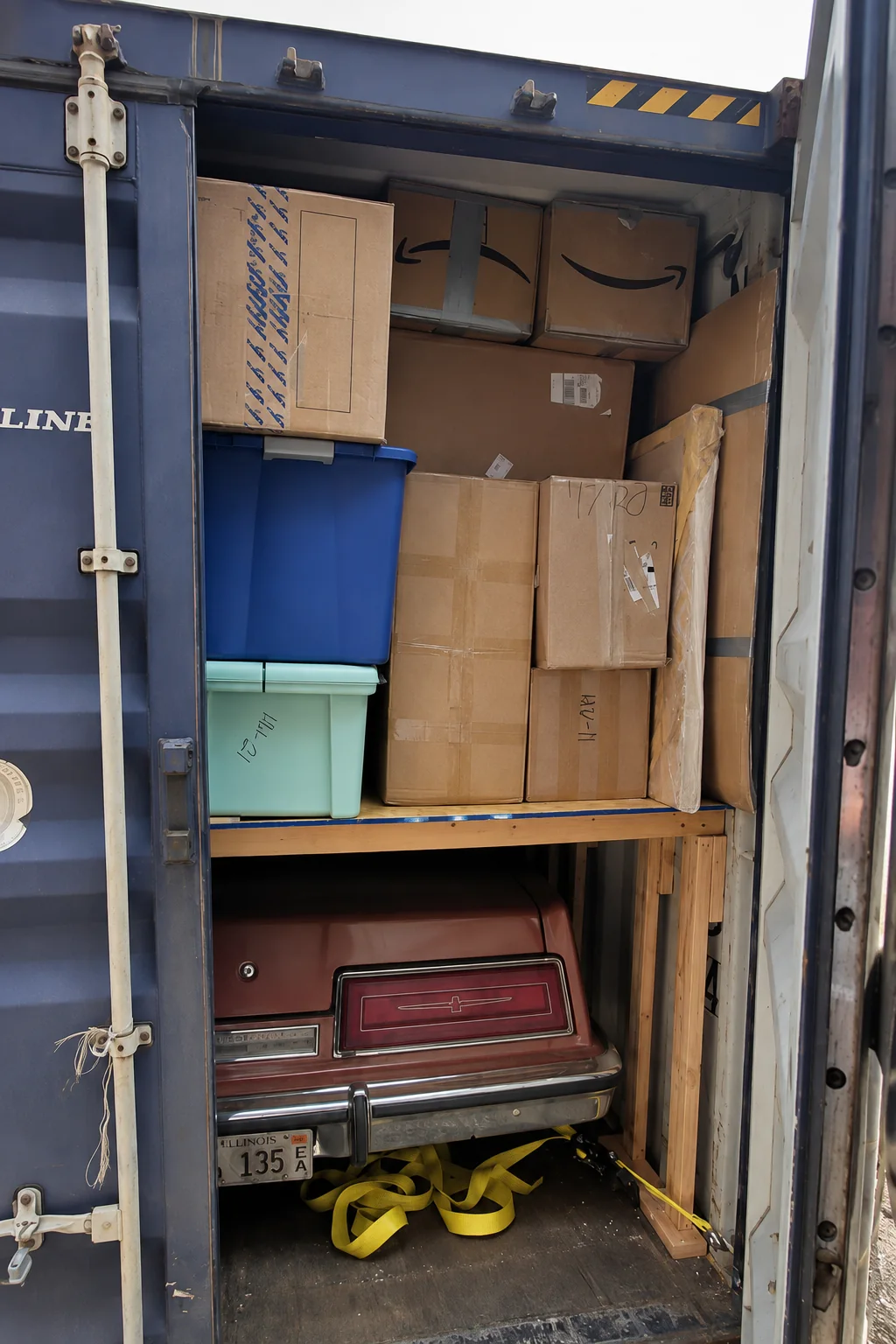
A vehicle and household goods can sometimes share a container. Feasibility depends on the vehicle dimensions, cargo volume, packing method, and route requirements. Include both in the quote request so we can check the combined arrangement separately.
Hazardous materials, some flammable or pressurized products, perishables, firearms, and ammunition are among the items that may be prohibited or restricted. Rules can also vary by route. If you are unsure, send the exact item description before packing.
Customs requirements for household goods and personal effects imported to Hungary depend on the contents, declared values, and applicable import rules. We help explain the documentation requirements for your specific shipment and coordinate with appropriate partners for the customs process at the destination. We cannot guarantee customs outcomes or duty amounts in advance.
Total timeline from first contact to shipment arrival at the European port is typically 8 to 14 weeks. This includes time to finalize details, arrange pickup, prepare documentation, and complete ocean transit. We give you a specific estimate based on your origin and destination.
Ocean Freight
Questions about container shipping, RoRo, and the shipping process itself.
With FCL (Full Container Load), you have your own container. No one else's goods share the space. With LCL (Less than Container Load), your goods share a container with other shippers and you pay for the space you use. FCL is typically more economical for larger volumes. LCL is more practical for smaller shipments where you do not have enough to fill a container.
With RoRo (roll-on/roll-off), the vehicle is moved onto a purpose-built vehicle carrier on its own wheels rather than placed in an individual container. It generally must run and move safely, and the service is not available on every route. Pricing and acceptance conditions must be checked for the specific sailing.
Ocean freight is the cost of moving the shipment from origin port to destination port. Separately, you typically pay for: origin inland transport, export documentation and port handling, destination port and handling charges, customs duties and import taxes, and any inland delivery at the destination. We explain all cost components in the quote so you have the full picture.
Transit from a US East Coast port to a northern European port is typically 2 to 4 weeks. From the West Coast, 3 to 5 weeks. From the European port to Budapest by road is typically 1 to 4 days. Total timeline including US coordination and documentation is usually 6 to 12 weeks.
The shipment arrives at the destination port and is unloaded. Customs clearance at the destination is coordinated with appropriate partners. We explain the documentation requirements in advance. Onward transport from port to your address depends on the arrangement agreed at the quote stage.
Helpful resources
More detail on each service and topic.
Vehicle & Equipment Shipping
Shipping cars, motorcycles, and vehicles from the USA
Packages
Online purchases, parts, and smaller shipments
Household Goods
Moving boxes, furniture, and personal items
Rates
How shipping pricing works, factors and estimates
Customs & Documents
What paperwork may be needed before and after shipping
Contact
Send your shipment details and we will review next steps
Still have questions?
Send us your shipment details and we will review what information is needed for the next step.
Request a Quote