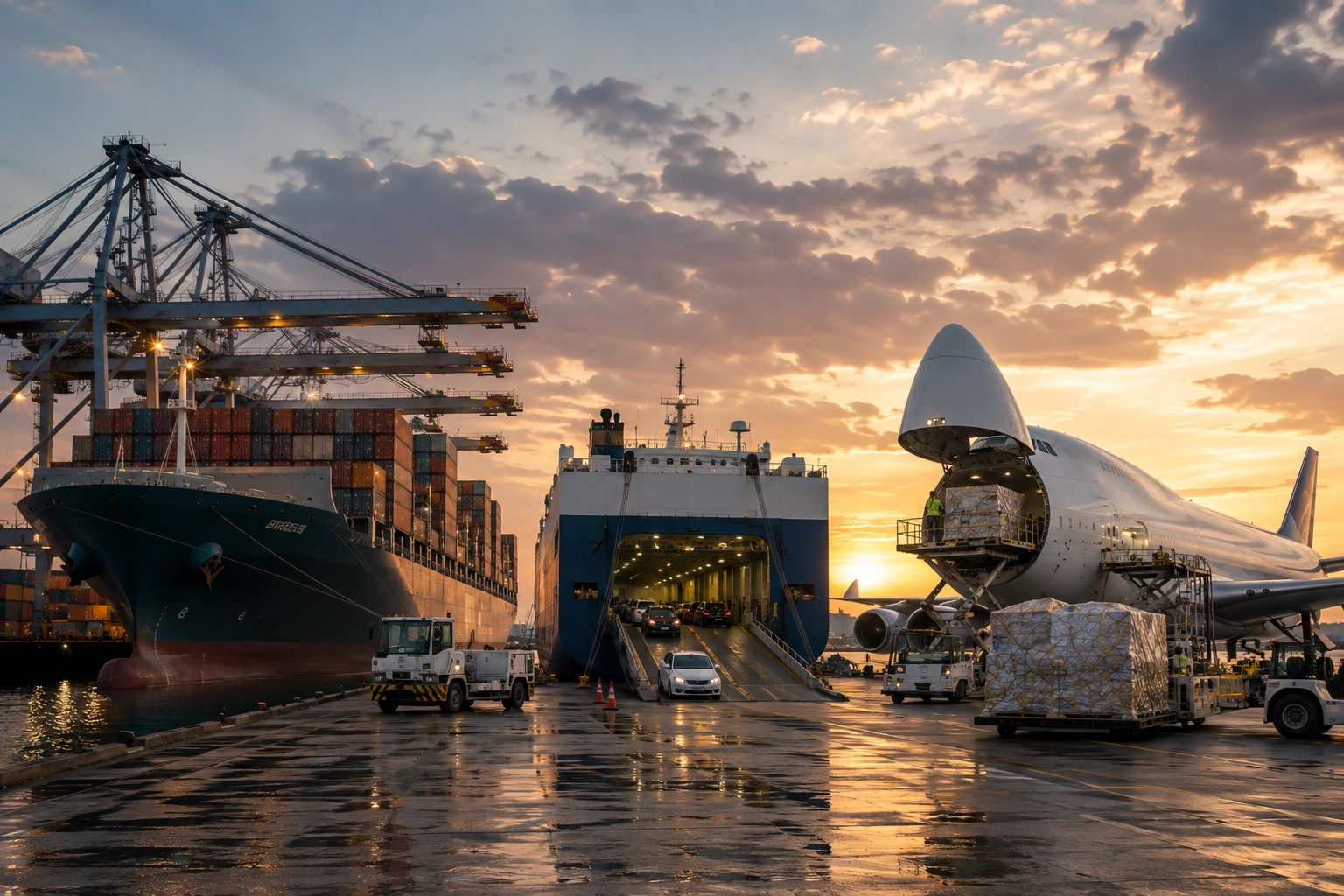
Container ship, RoRo vessel, and air cargo at a port at sunset

Container shipping from the USA to Europe

We review full-container and shared-container options from the USA to Hungary. Eligible vehicles and full-container shipments may also reach other European destinations, depending on the route. We review origin, cargo, packing, and timing before recommending a method; RoRo and air freight are compared below.

01
Container Shipping
02
RoRo Shipping
03
Air Freight

When container shipping may make sense

Send the contents, dimensions, weight, US location, destination, and timing so we can check the suitable container arrangement.

For a larger vehicle, our guide to dimensions and shipping options can help you prepare for a shipment review.

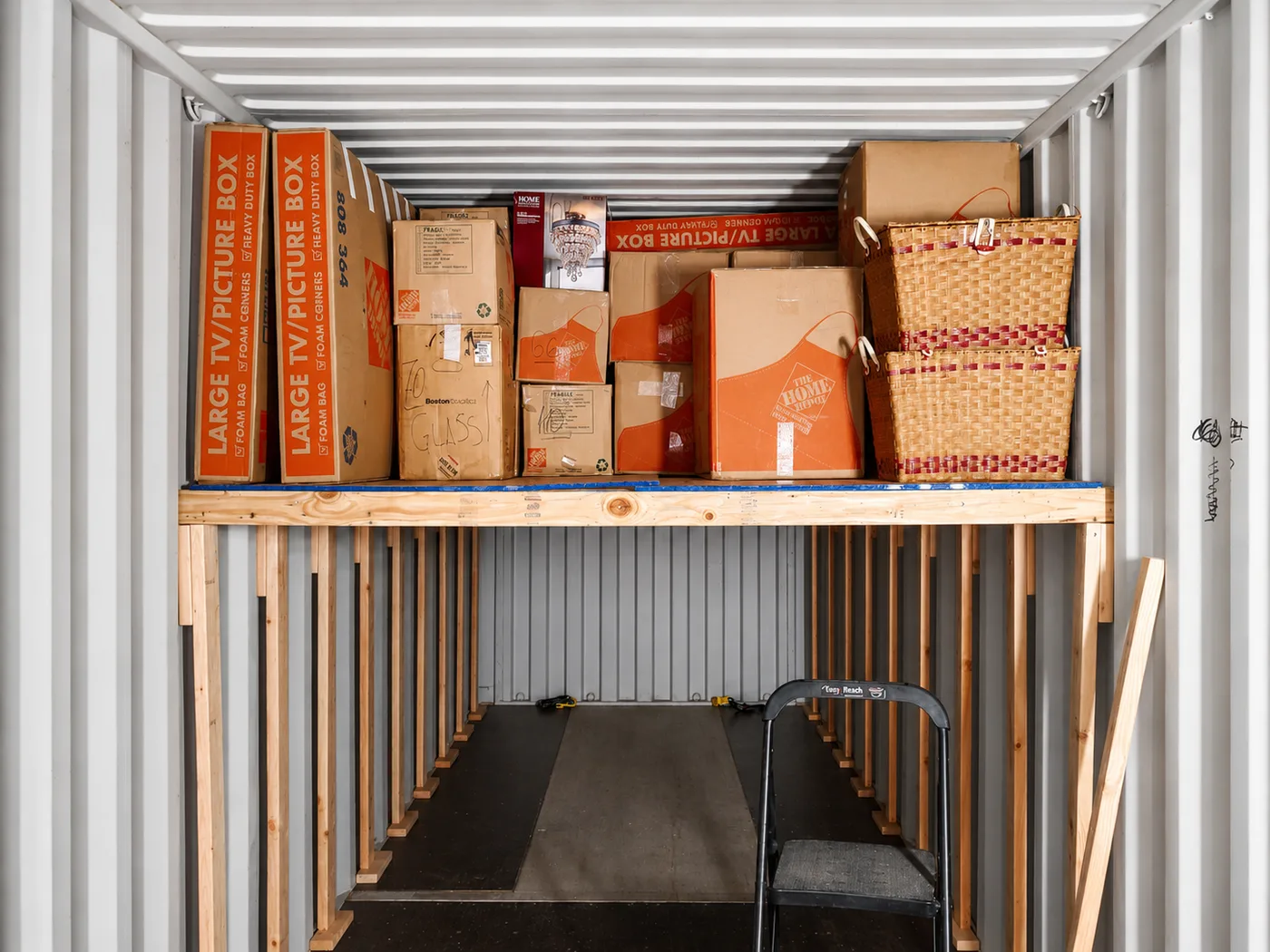
Household goods organized inside a shipping container
01

Vehicle shipments

Cars, motorcycles, classic vehicles, and auction purchases. Container shipping may offer more protected loading depending on vehicle condition and route options.

02

Household goods

Boxes, furniture, and personal belongings for people relocating from the USA to Hungary. Full or shared-space container options depend on the route; eligible full-container moves may reach other European destinations.

03

Larger personal shipments

Shipments too large for standard air freight or parcel services. Volume, weight, and destination affect whether FCL or LCL-style options apply.

04

Boxes and packages

Smaller shipments may use LCL-style shared space within a container. Depends on volume, timing, route, and partner availability.

05

Vehicle parts and components

Auto parts, mechanical components, and accessories from US suppliers. May be suitable for container shipment depending on size and packaging.

06

Commercial or mixed cargo

Palletized goods, business cargo, or mixed shipments. Requirements vary by item type, destination, and applicable documentation.

Full or shared container?

Measured volume, cargo type, packing, route, timing, and consolidation capacity determine the suitable arrangement.

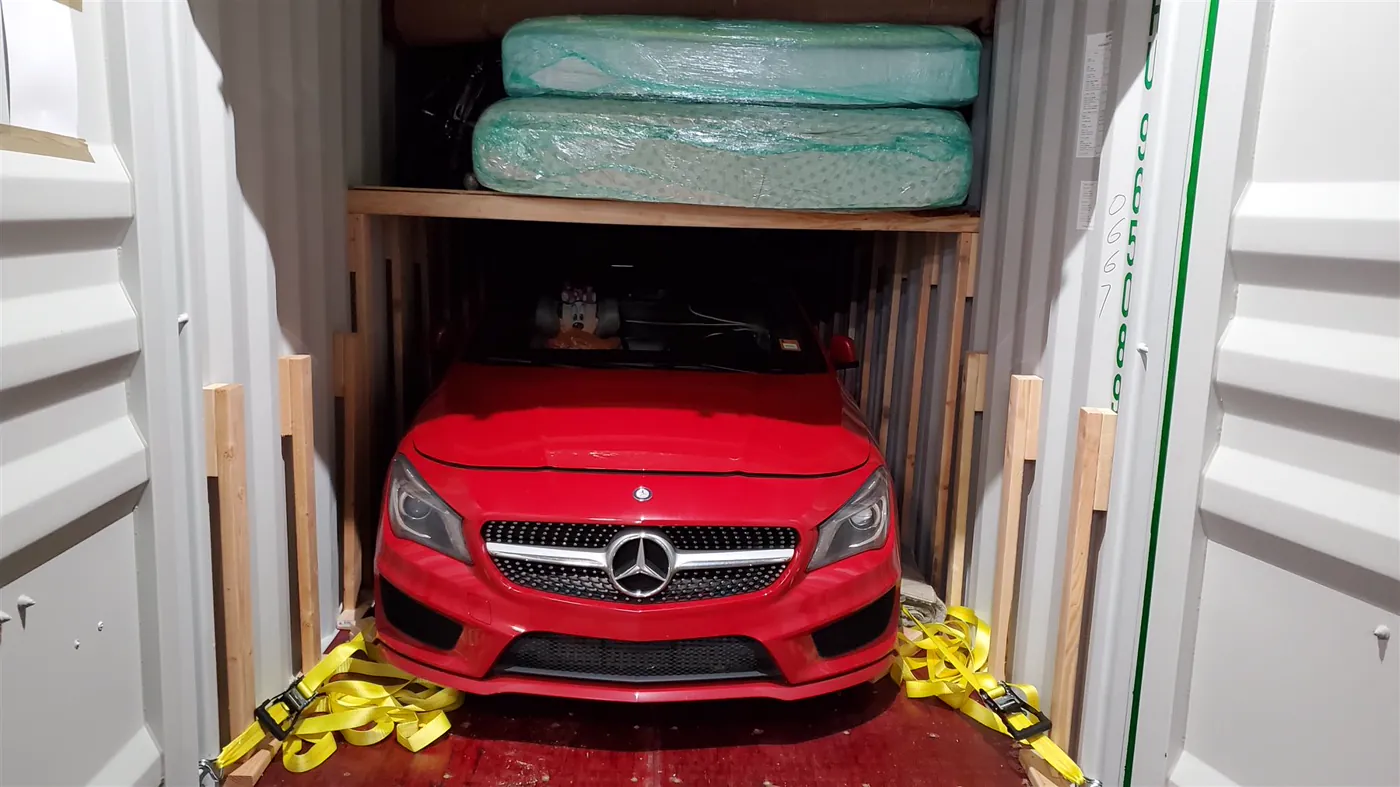
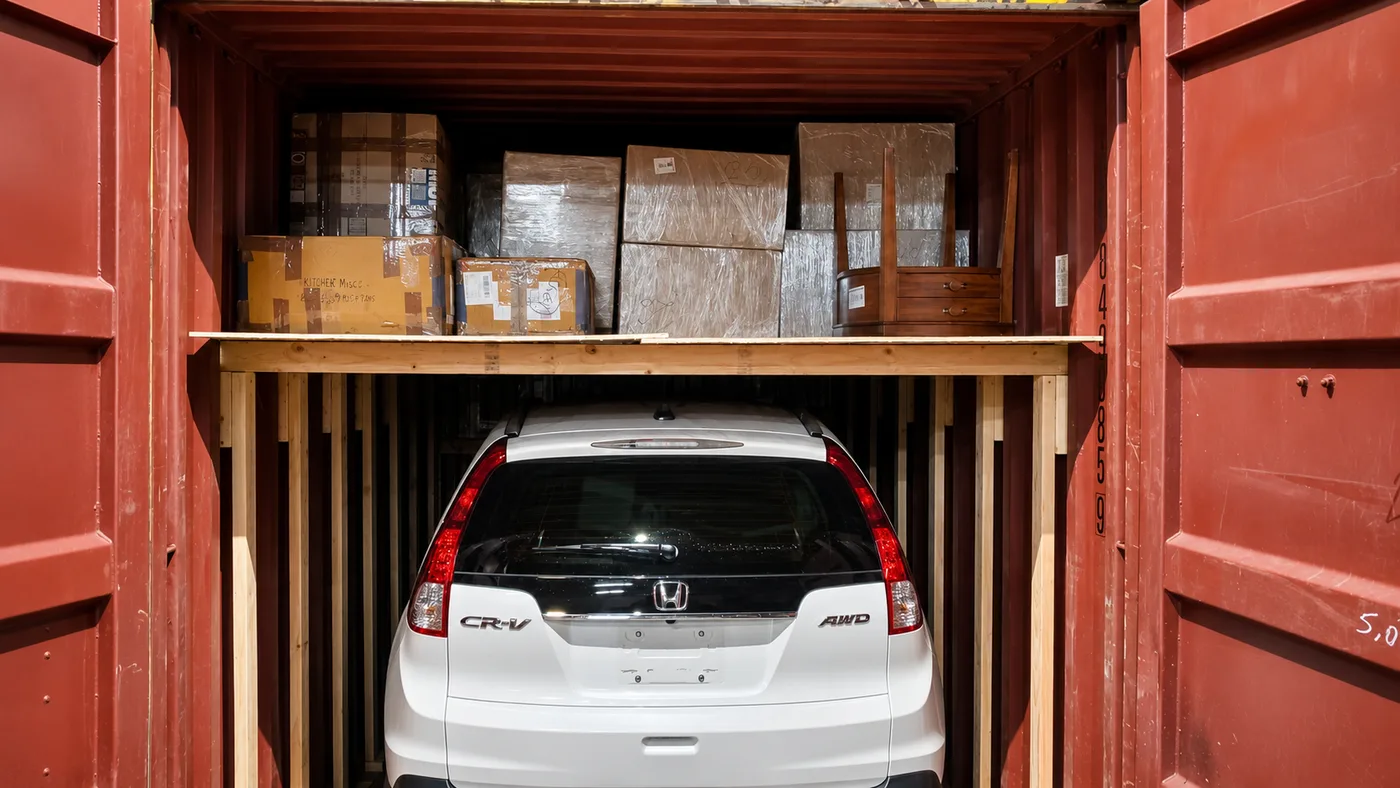
Vehicle and additional cargo inside a full shipping container
Full Container (FCL)

Full Container Load

The entire container is reserved for your shipment. No other cargo shares the space. May be more suitable for larger shipments, vehicles, or when you prefer your goods are not mixed with other cargo.

20-foot and 40-foot containers may be available depending on route and partner options. Availability requires shipment-specific review.
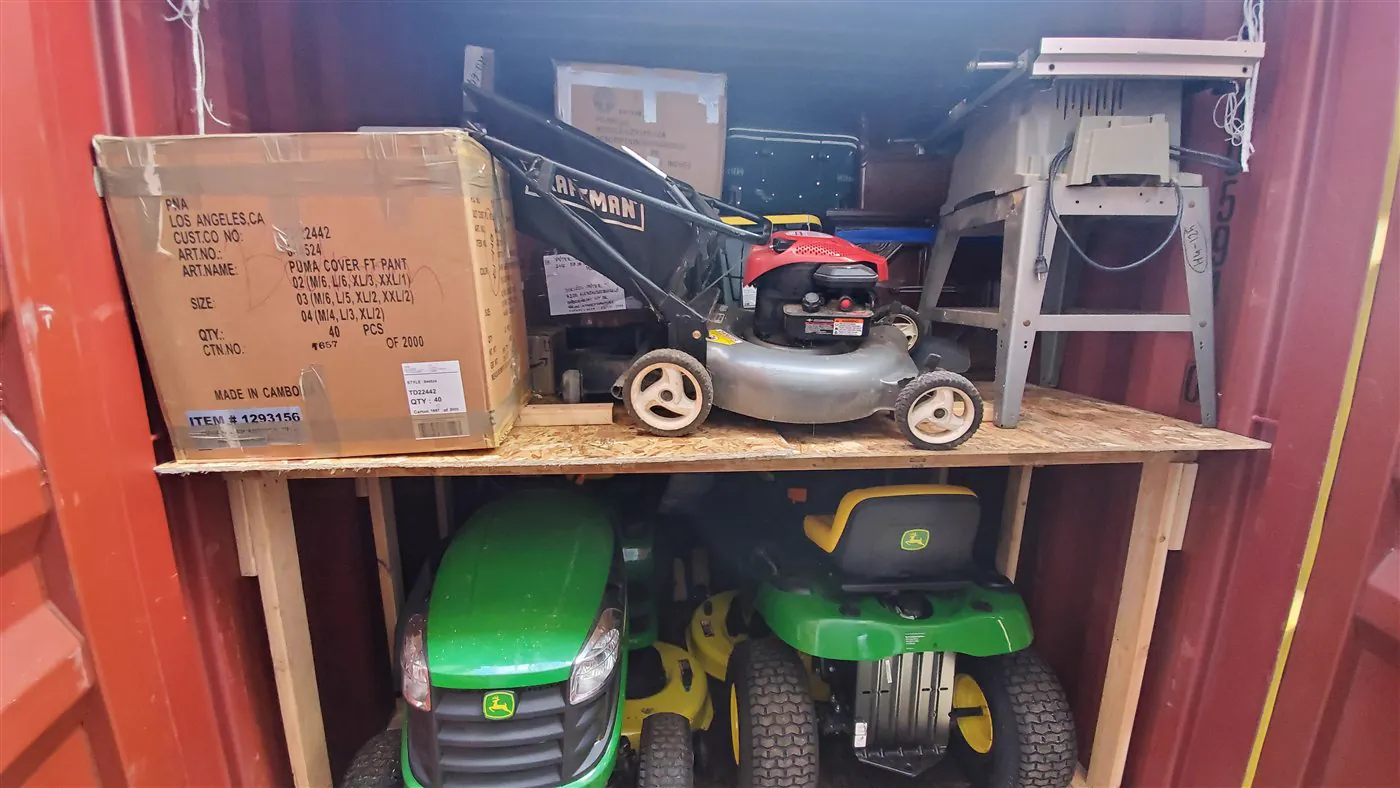
Smaller equipment and boxed cargo arranged in shared container space
Shared Container (LCL)

Less than Container Load

Smaller shipments may share container space with other cargo. You pay for the portion of the container your goods occupy rather than the full container.

Availability depends on timing, route, cargo type, and consolidation capacity. Not every shipment can use LCL.

Shipping method comparison

Each method suits a different shipment. Start with what you are moving, then compare protection, vehicle eligibility, timing, and route availability.

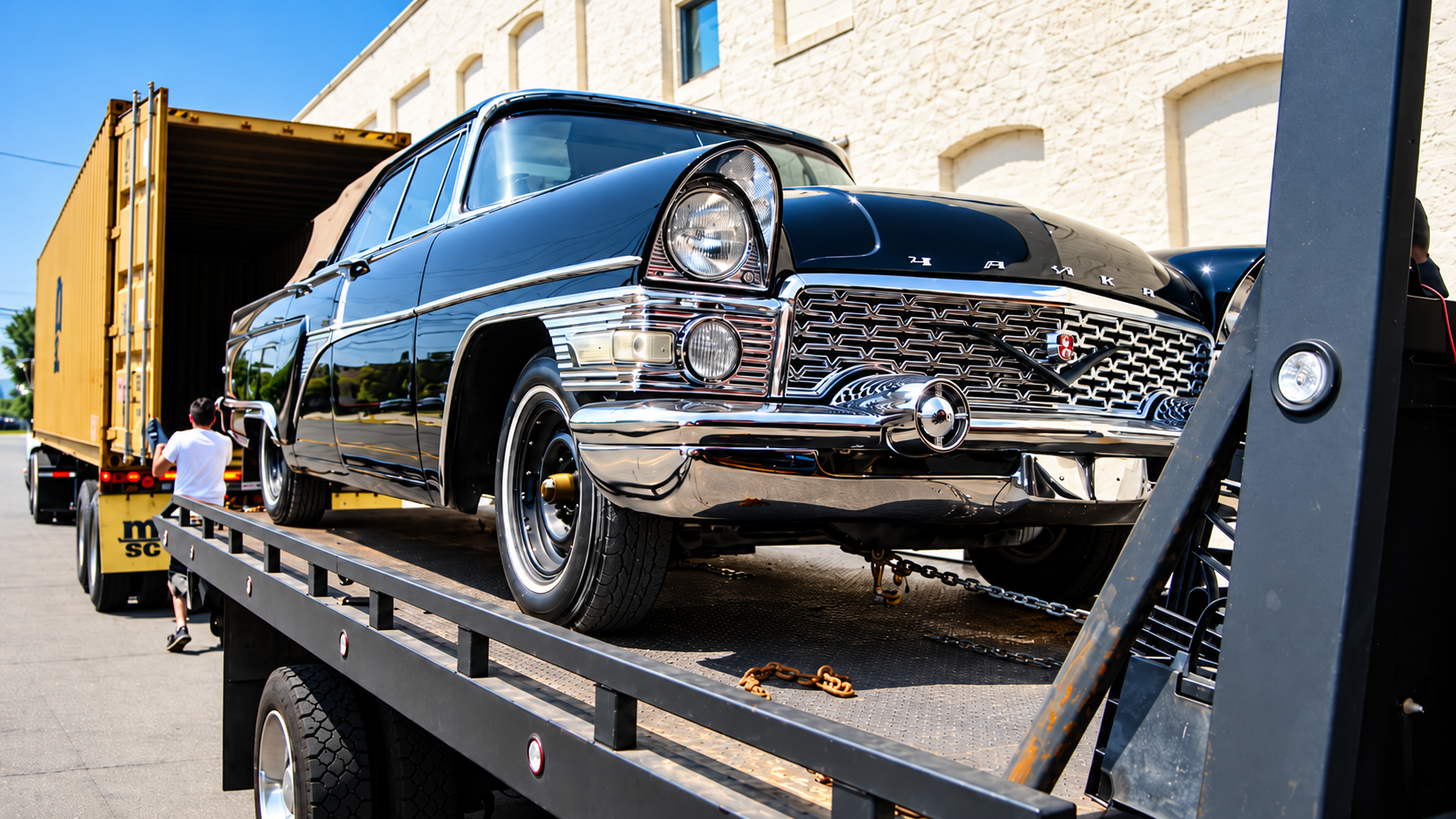
Classic Chaika sedan on a flatbed truck beside a shipping container

Primary option

Container Shipping

Your shipment is secured inside a sealed steel container for the ocean crossing. It may be arranged as a full container (FCL, your shipment only) or shared space (LCL-style, you pay for the space you use).

Best for
Vehicles, household goods, parts, and cargo that benefit from a protected, enclosed ocean crossing.
How it moves
The shipment is loaded and secured inside a sealed container. FCL reserves the container for one shipment; LCL-style space is shared when available.
Key consideration
Container size, cargo dimensions, loading needs, route, and consolidation availability determine the arrangement.
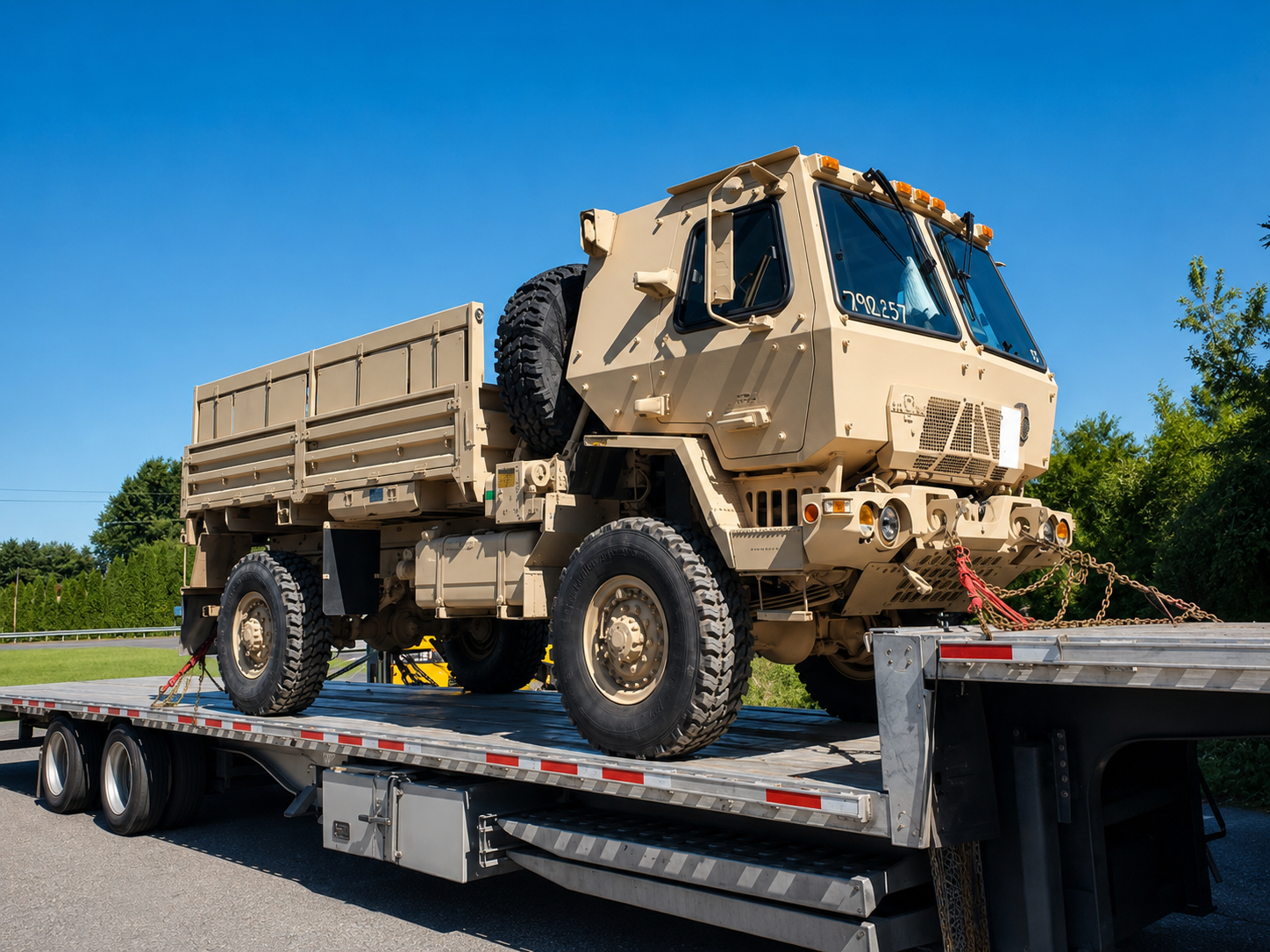
Vehicle secured for onward transport before a route-dependent RoRo movement

Route dependent

RoRo Shipping

RoRo (Roll-on/Roll-off) is ocean transport for eligible running vehicles. The vehicle is driven onto a purpose-built carrier vessel and secured on its vehicle deck, rather than loaded inside a container.

Best for
Running, drivable vehicles when the size, route, and carrier requirements are suitable.
How it moves
The vehicle travels on a dedicated vehicle carrier, not inside a sealed steel container.
Key consideration
Loose personal items or parts normally cannot travel in the vehicle. Running condition alone does not confirm carrier acceptance.

May be available depending on route, vehicle type, port, and partner carrier schedules. Contact us to confirm.

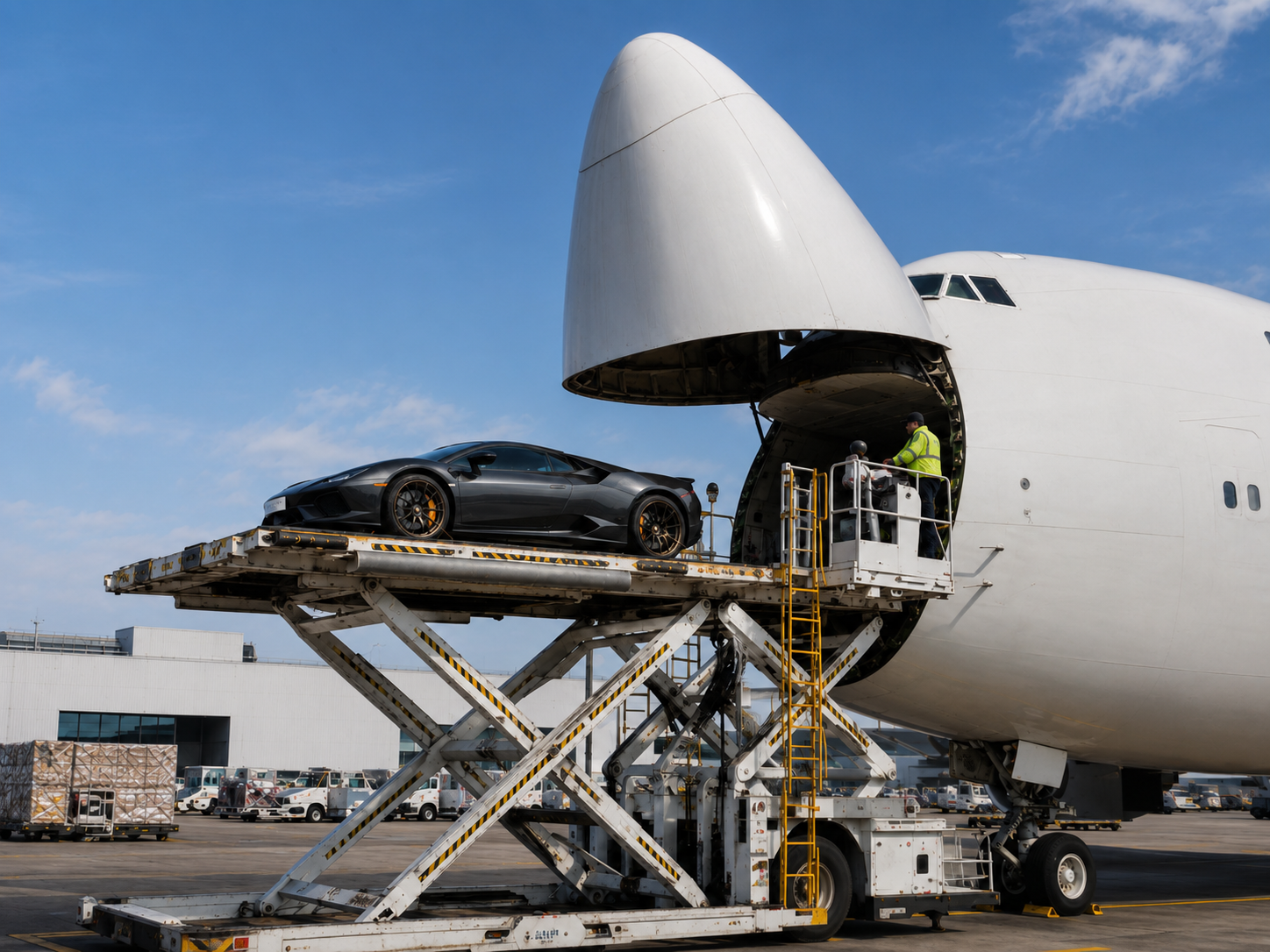
Vehicle being loaded into a cargo aircraft for air freight

Urgent or special

Air Freight

Air freight is a rapid, shipment-specific option for time-sensitive, high-value, or relatively compact cargo. It can also be assessed for vehicles and special cargo when a suitable airline and handling arrangement is available.

Best for
Urgent parts, time-sensitive cargo, and certain high-value or special vehicle movements.
How it moves
Cargo must be accepted by the airline and may be charged by chargeable weight, which considers both weight and volume.
Key consideration
Rates and acceptance can differ substantially from ocean shipping. Batteries, fluids, and restricted goods require review before shipping.

May be available depending on shipment type and partner carriers. Contact us for current air freight options.

What affects container shipping cost

Pricing depends on the specific shipment. We review these factors when preparing a quote.

See how pricing works →

Documents commonly needed

Requirements vary by shipment type, destination, and applicable regulations. We explain what applies to your specific shipment.

View Customs and Documents guide →

Common questions

View all FAQ →
A car loaded inside a shipping container

Need help choosing a shipping method?

Send the cargo description, US location, dimensions or volume, weight, destination, and timing. We will review the suitable container, RoRo, or air freight arrangement and identify any missing details.

FMC Licensed Ocean Freight Forwarder · FMC License No. 035782 Verify our FMC license