
CARFAX Vehicle History Report
A CARFAX vehicle-history report can show reported title status, accident records and odometer history to help you evaluate a vehicle before you buy.
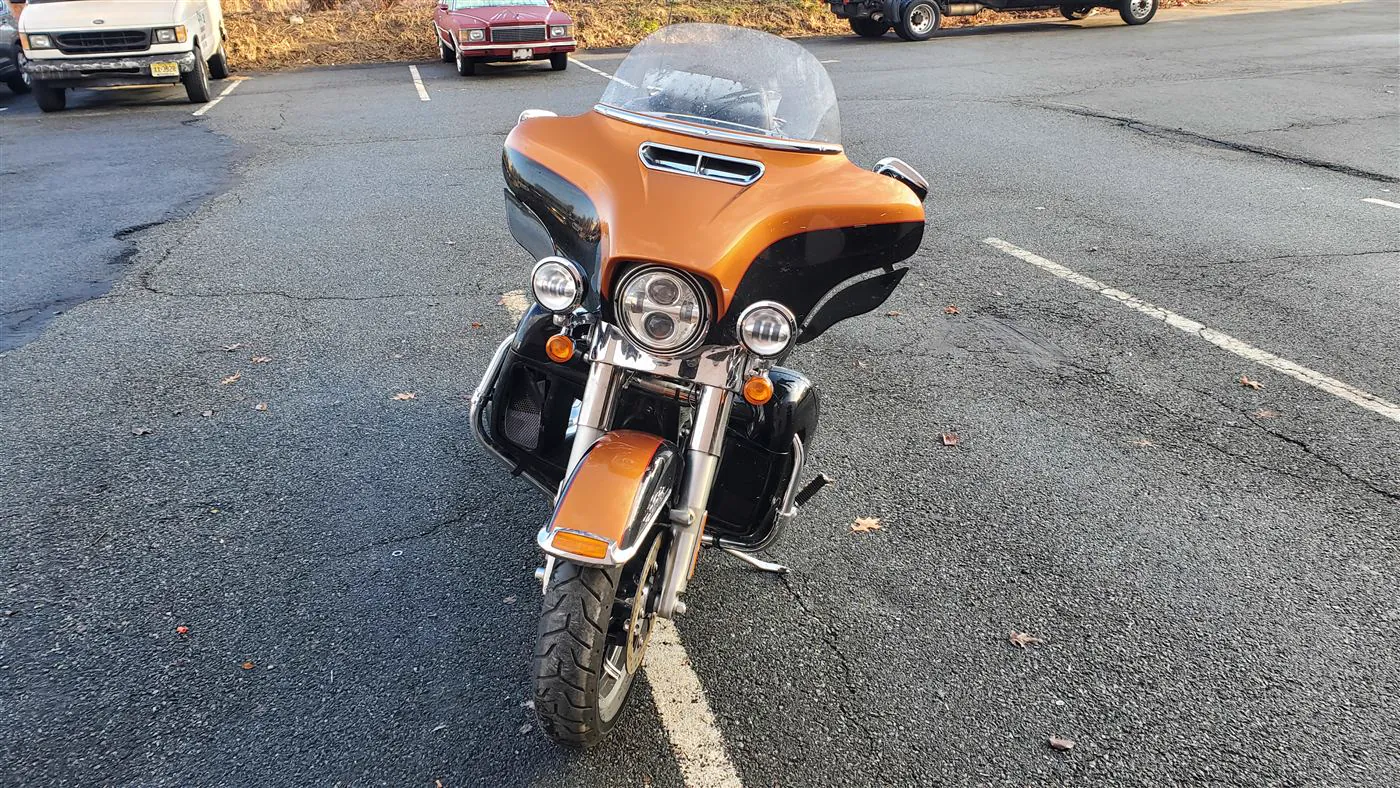
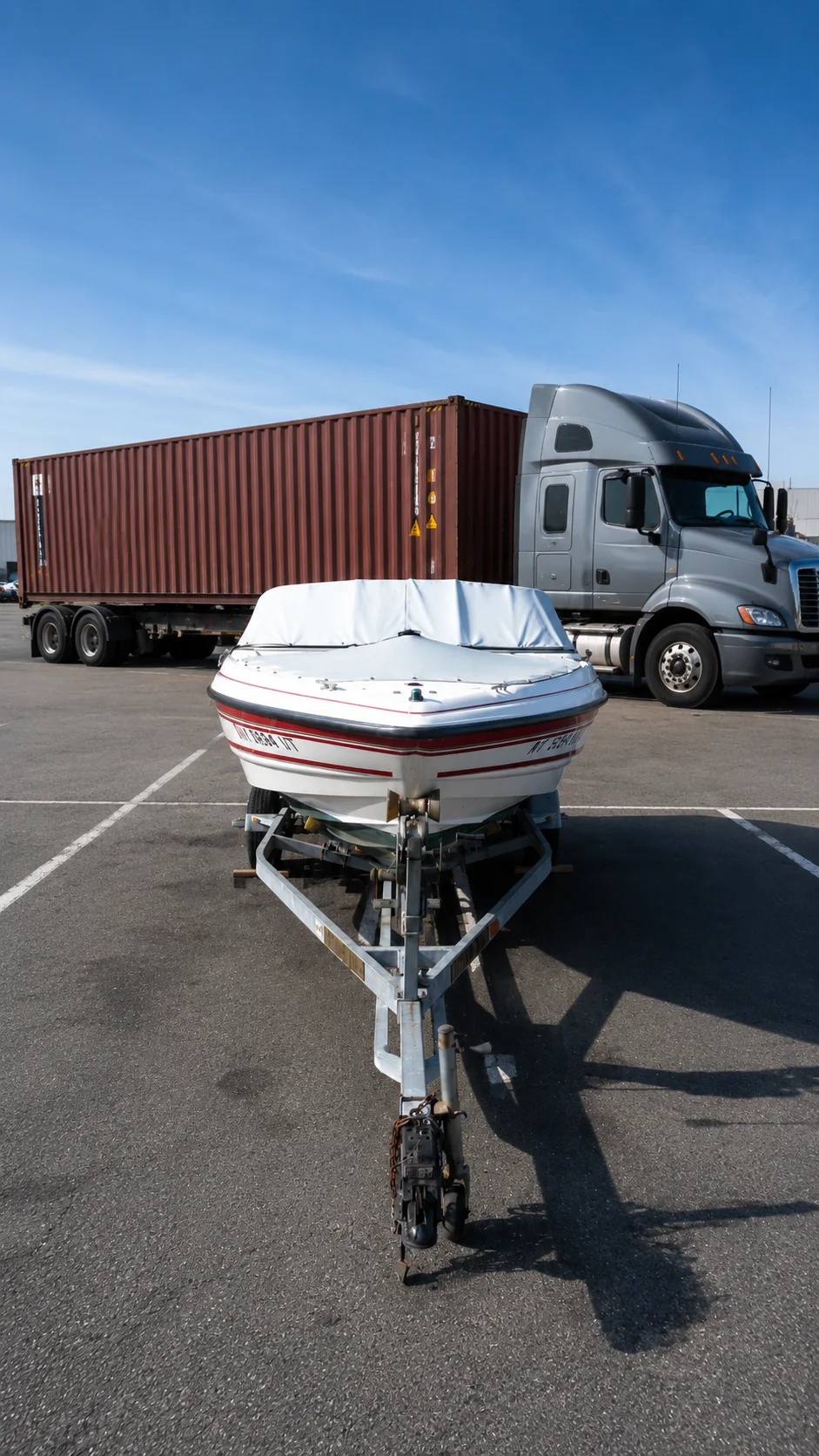
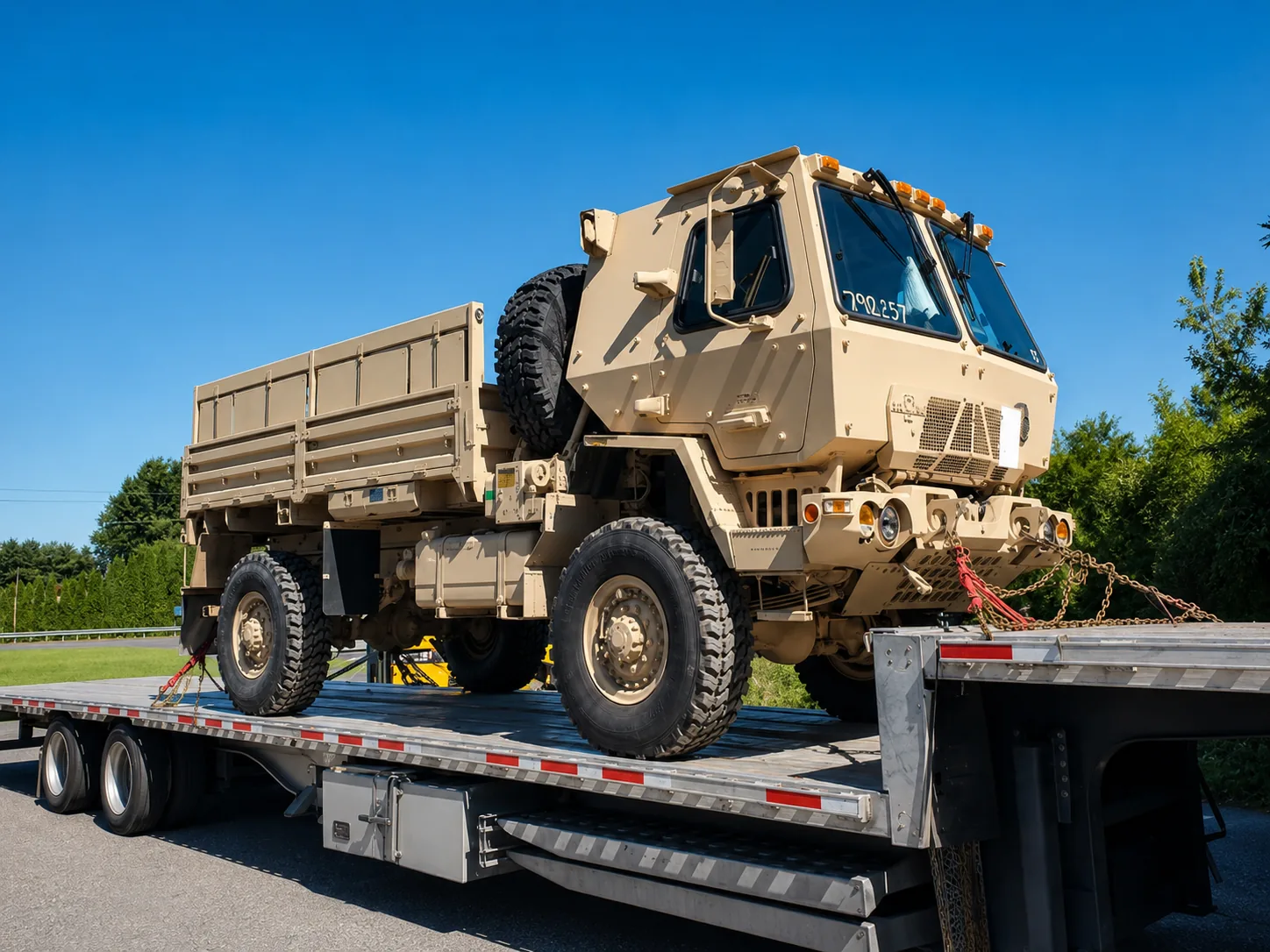
Shipping a car from the USA to Hungary? We can review pickup from a Copart or IAAI yard, dealer, or private seller and plan the onward shipment. We also arrange eligible motorcycles, boats, trailers, and equipment to Hungary and elsewhere in Europe. Send the listing before you buy so we can check the route and loading needs.
Send the vehicle location, condition, and destination before purchase so we can confirm which services can accept it.
Important
Contact us before you bid or finalize a purchase. We will check pickup requirements, identify a suitable shipping method, estimate the transport cost, and flag destination-side questions to confirm.
Is the title clean, salvage, or rebuilt? Title type affects exportability from the USA and Hungarian import requirements.
The auction yard state, city, or seller address affects inland transport options and departure port.
Non-running vehicles may need a winch, flatbed, or forklift. Send the listing before bidding so we can check whether pickup can be arranged.
For auction vehicles, review all available photos including undercarriage, frame, and damage areas before purchase.
Auction yards charge daily storage after purchase. Contact us quickly after winning a bid to coordinate collection.
Customs duties, VAT, port fees, and local delivery are separate from shipping. Ask us before buying: we coordinate with the destination-side customs broker, while the customs authority determines the final charges.
For vehicle imports from US auctions or private sellers, these steps can help you avoid common problems.
Independent purchase research
Use a report as one part of your purchase research. Records and coverage vary by vehicle, country and reporting service.
A CARFAX vehicle-history report can show reported title status, accident records and odometer history to help you evaluate a vehicle before you buy.
AutoCheck is an alternative vehicle-history report with auction and history scoring, useful as an additional reference before you buy.
carVertical may show available damage, mileage and title-related records. What appears in a report depends on the vehicle and the available source data.
CARFAX, AutoCheck and carVertical are independent third-party commercial services. East Coast Freight Logistics is not affiliated with them, does not resell their reports and does not control their pricing, content or coverage.
Vehicle condition, dimensions, pickup location, destination, and current carrier schedules determine which method is workable.
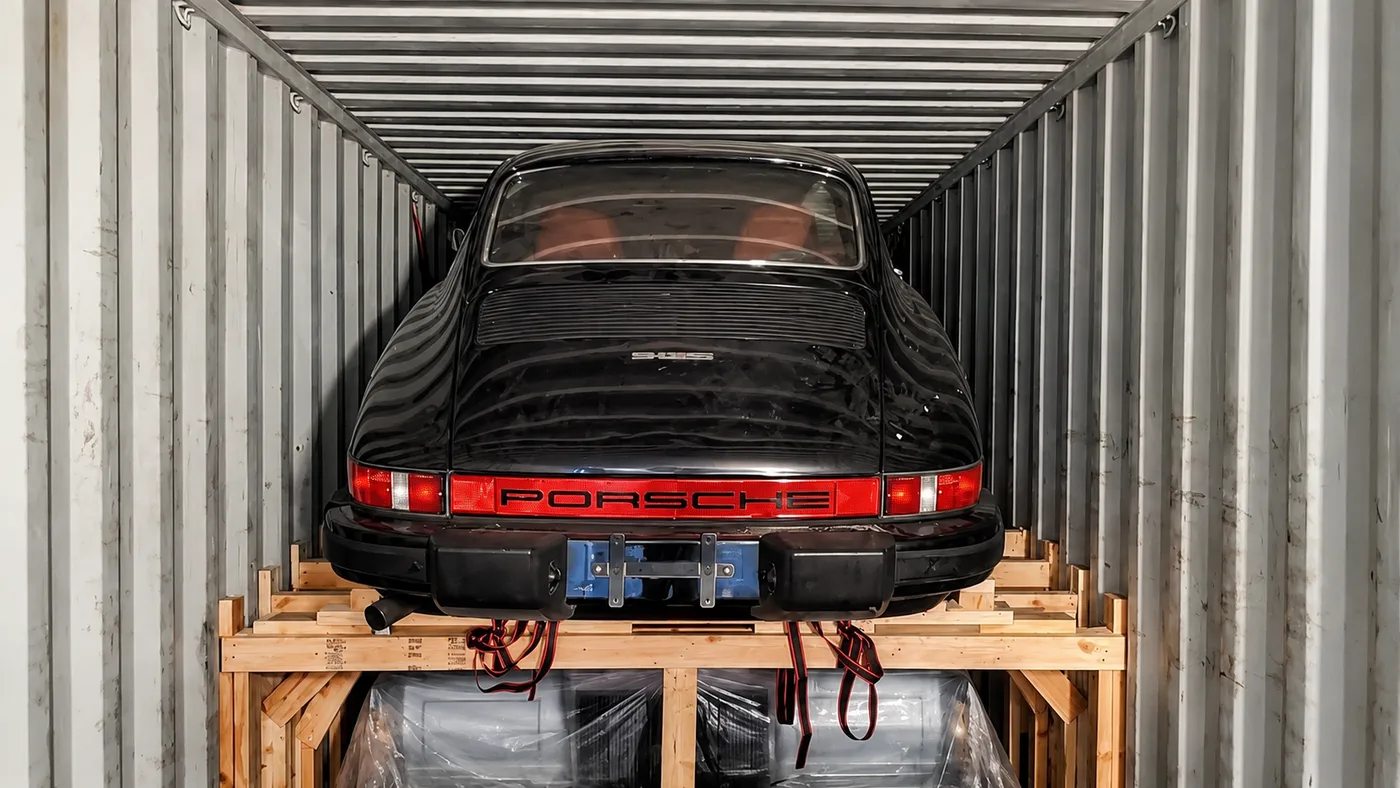
The vehicle is secured inside a sealed steel container for the ocean crossing. Protected from weather, handling, and other cargo throughout transit.
Suitable for:
When comparing methods, review the scope of our published starting rates and ask about available cargo protection options when requesting a quote.
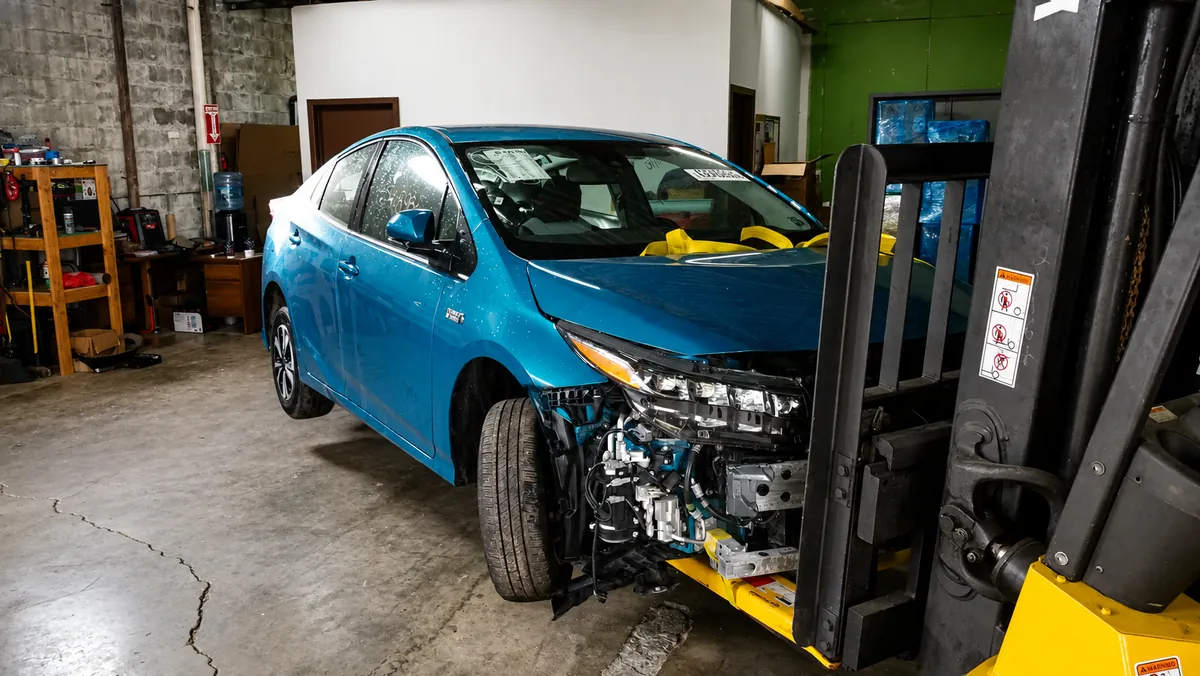
If you are considering a Copart, IAAI, or Manheim listing, send it before bidding. We can check pickup access, running condition, title information, storage timing, and likely shipping method.
Send the listing before bidding or buying from Copart, IAAI, Manheim, or a private seller. We can check the transport requirements, but we do not bid for customers or assess the vehicle mechanically.
Auction yards charge daily storage after purchase. Contact us quickly after winning a bid so we can coordinate collection timing.
U.S. pickup from a seller or auctionDamaged, salvage, and non-running vehicles can sometimes be shipped. The location and condition determine whether a winch, flatbed, forklift, or other equipment is required.
Before you finalize the purchase, send us the vehicle condition, location, and whether it runs so we can confirm what is feasible.
How vehicle shipping works
Send the listing, pickup location, running condition, ownership-document status, and destination. We will check transport requirements and prepare an estimate. For a stage-by-stage overview, read our car-shipping process guide.
Looking at an auction car? Check these details before a Copart or IAAI bid. If timing matters, see what shapes the car-shipping timeline.
Share the auction link, VIN, location, and your destination. We recommend contacting us before you bid if you want an estimate first.
We use the vehicle location, condition, dimensions, and destination to identify a suitable shipping method and prepare a cost estimate. We aim to respond within one business day.
After approval, we confirm timing and equipment with the logistics partner collecting the vehicle from the auction yard, dealer, or private seller.
The vehicle is prepared for container or RoRo transport, if the route and vehicle qualify. Export documents are checked with the appropriate partners before departure.
Before arrival, we explain which documents the destination partner may request. Customs decisions, duties, taxes, registration, and release remain subject to the relevant authorities and service providers.
If your vehicle is cleared through the Netherlands, customs duty and import VAT may apply in addition to transportation costs. The rates below provide a general guide to the most common vehicle imports from the United States.
| Customs Duty | Import VAT | |
|---|---|---|
| Passenger vehicles | ||
| Qualifying U.S.-origin passenger vehicle (0% from 1 July 2026) | 0% | 21% |
| Other-origin passenger vehicle | 10% | 21% |
| Qualifying classic / collector vehicle (CN 9705) | 0% | 9% |
| The 0% adjusted duty treatment for qualifying U.S.-origin vehicles applies from 1 July 2026. U.S. origin follows customs origin rules, not simply the country where the vehicle was purchased or shipped from. The claim must be supported by vehicle-specific origin evidence and evidence of direct transport to the EU or qualifying customs-supervised, non-altered transit. | ||
| Collector-vehicle treatment is subject to customs classification. Vehicles generally need to meet applicable age, originality and collector-vehicle requirements. Age alone does not guarantee eligibility. | ||
| Motorcycles | ||
| Qualifying U.S.-origin motorcycle (0% from 1 July 2026) | 0% | 21% |
| Other-origin motorcycle | Varies by tariff classification | 21% |
| Qualifying classic / collector motorcycle (CN 9705) | 0% | 9% |
| The 0% adjusted duty treatment for qualifying U.S.-origin vehicles applies from 1 July 2026. U.S. origin follows customs origin rules, not simply the country where the vehicle was purchased or shipped from. The claim must be supported by vehicle-specific origin evidence and evidence of direct transport to the EU or qualifying customs-supervised, non-altered transit. | ||
| Send us the motorcycle year, make, model and engine size and we can coordinate confirmation of the applicable rate with the customs broker. | ||
| Collector-vehicle treatment is subject to customs classification. Vehicles generally need to meet applicable age, originality and collector-vehicle requirements. Age alone does not guarantee eligibility. | ||
Import VAT is generally calculated using the applicable customs and VAT base, which may include the customs value, applicable duty and certain additional costs.
Final customs value and tax treatment are determined during customs clearance based on the shipment, the documentation and the applicable rules.Example only: $8,000 purchase value + $1,600 transportation + $90 insurance = $9,690 illustrative customs value.
If the currently shown 10% other-origin passenger-vehicle duty rate applied, the illustrative duty would be $969. Import VAT is calculated separately on the applicable tax base.
This example intentionally uses the other-origin passenger-vehicle rate to show the calculation method. A qualifying U.S.-origin vehicle may receive 0% adjusted duty from 1 July 2026, subject to customs origin rules and supporting evidence. This is not a quote or a total landed-cost estimate.Customs duty for heavy equipment, construction machinery, boats, trailers and other specialized vehicles can vary by tariff classification. Send us the year, make and model or an equipment description and we can coordinate confirmation of the applicable duty and VAT treatment with our customs partner.
From 1 July 2026, qualifying U.S.-origin vehicles may be eligible for 0% adjusted EU customs duty. Where a vehicle was purchased is not the same as its customs origin; eligibility depends on the applicable rules and supporting origin and transport documentation.
Check Vehicle Origin →Rates shown are general information based on rules in effect in August 2026 and may change. Final classification, origin eligibility, customs value, duty and VAT treatment are determined by the applicable customs authorities based on the individual shipment and supporting documentation.
Requirements vary by vehicle, origin state, ownership document, and destination. We identify the commonly requested documents when preparing your estimate.
View full Customs and Documents guide →
Send the listing, pickup location, running condition, ownership-document status, and destination. We will check transport requirements and prepare an estimate.
Your privacy choices