
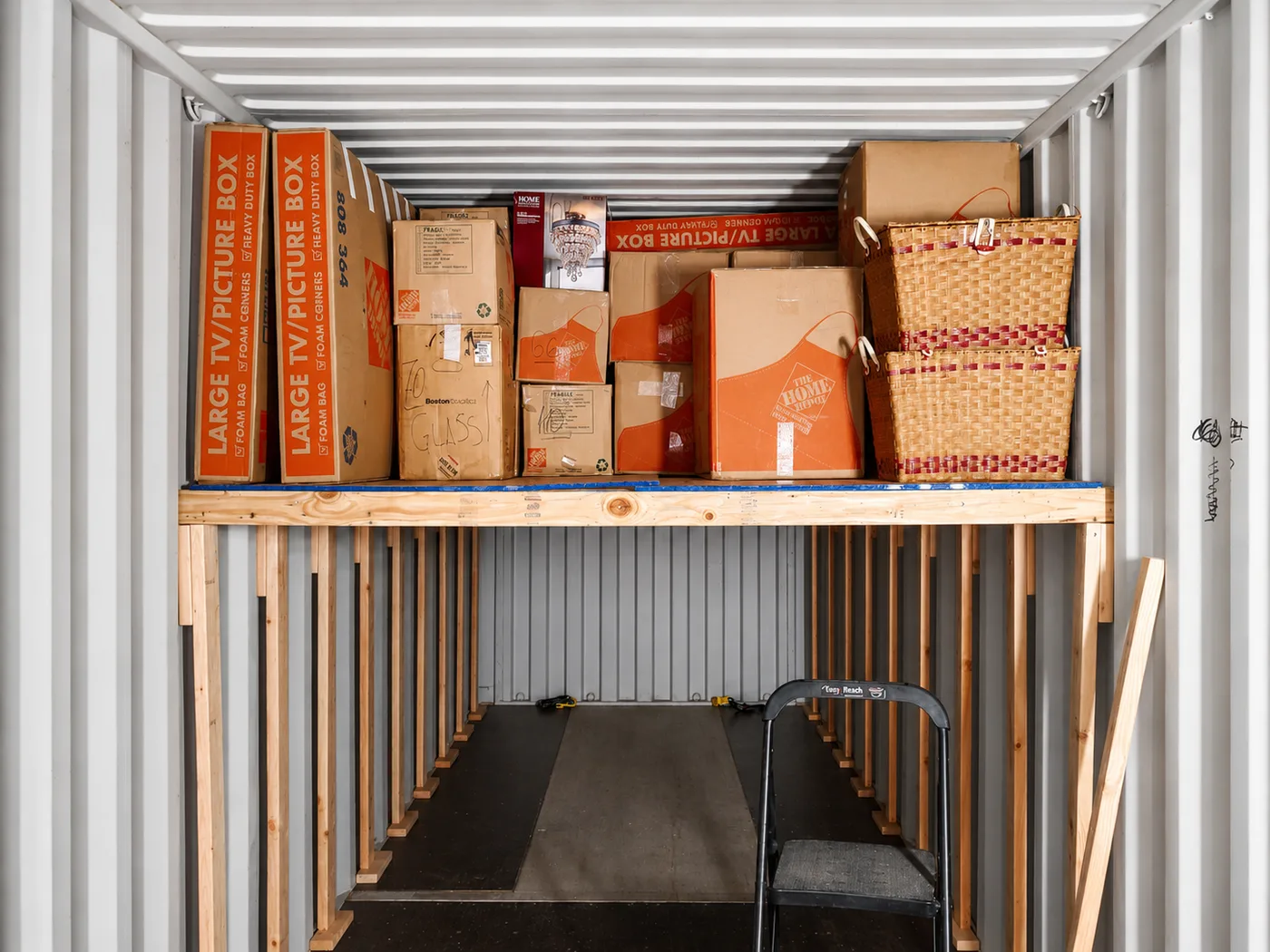
Household-goods shipments usually go wrong before the container is booked, not during the ocean crossing. The most common problems are inaccurate volume estimates, missing invoices, restricted items packed by mistake, and assumptions about what can be combined in one shipment. This checklist is meant to help you prepare the file before you start packing boxes.
If you are sending only smaller online purchases rather than moving household goods, see our package shipping service for the USA–Hungary route.
1. Confirm what is actually being shipped
A usable quote starts with a clear shipment picture: roughly how many boxes, whether furniture is included, whether there are fragile items, and whether a vehicle will travel in the same container. A vague description like "a few household things" is rarely enough to confirm the correct route or handling plan.
- Number of boxes or storage bins
- Approximate dimensions of larger items
- Whether furniture will be included
- Whether any item is fragile, high-value, or unusual
- Whether a car, motorcycle, or equipment will share the same container
2. Estimate the volume before you pack tightly
Customers often compress the cargo visually and underestimate how much container space it will actually use once the shipment is stacked safely and braced for export. A route that looks like "just a few boxes" can quickly turn into a partial-container load once furniture, appliances, or awkward pieces are added.
| What to measure | Why it matters |
|---|---|
| Tallest item | Helps determine how the load can be stacked and whether special handling is needed |
| Widest item | Affects loading pattern and usable container space |
| Heaviest single piece | May change how the cargo must be placed or braced |
| Total box count | Improves quote accuracy and loading planning |
3. Keep the documents before the items disappear into boxes
For customs, the shipment is not just a stack of personal items. It is a documented set of goods with declared value. If invoices, receipts, or purchase confirmations are missing, the destination-side review becomes slower and more uncertain. This matters especially for electronics, tools, bikes, hobby equipment, and anything purchased recently in the United States.
- Purchase invoices or receipts for higher-value items
- A simple packing list by box or item group
- Ownership documents for any vehicle traveling with the goods
- Photos of fragile or high-value items before packing
4. Do not pack restricted items on assumption
Some items are legal to own but still problematic in international freight depending on the method, carrier, and destination rules. The mistakes we most want customers to avoid are loose lithium batteries, aerosols, chemicals, used auto parts with fluid residue, food, supplements, alcohol, tobacco, and anything that could trigger a dangerous-goods or customs issue.
5. Decide early whether this is boxes only or a shared container with a vehicle
One of the most important planning questions is whether your household goods will travel on their own or alongside a vehicle. That decision affects usable space, loading sequence, document preparation, and the kind of packing that makes sense. A box plan that works for a stand-alone shipment can change once a vehicle must also be secured inside the same container.
6. Build the shipment around customs readiness, not just packing convenience
A launch-ready household-goods file is not just "packed." It is measurable, listable, and explainable. When the origin, value, and item types are clear, the route review is faster, the quote is more reliable, and the destination-side customs process starts from a much cleaner position.
When your inventory is ready, review our household-goods shipping options to plan the shipment around its volume and contents.