PREPARATION / OCEAN SHIPPING

Good packaging is not decoration. It is risk control.

A practical preparation guide for boxes, household goods, vehicle parts, and fragile cargo shipped from the USA. Eligible destinations depend on the shipment type.

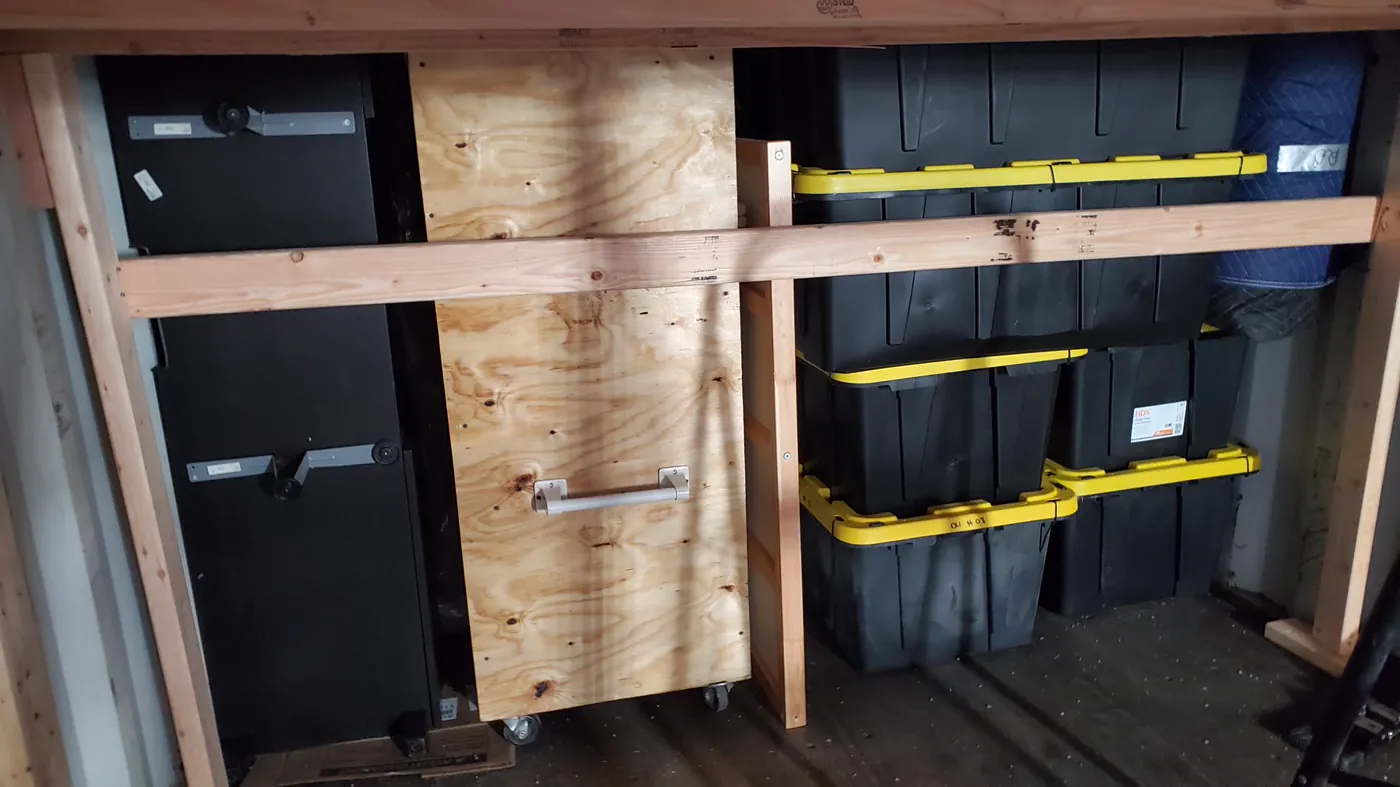
Household goods secured inside a wooden transport frame in a shipping container
Real securing example · every solution remains cargo-specific
01Measure02Document03Secure04Review

BEFORE THE FIRST BOX IS SEALED

Six checks before sealing your shipment

The useful work happens before pickup. Give the shipment a clear identity, document its condition, and confirm anything unusual before it disappears inside a box or crate.

  1. 01

    Define the cargo

    List the item type, quantity, condition, intended use, and realistic value.

  2. 02

    Measure the packed size

    Record length, width, height, and estimated packed weight—not only the bare item.

  3. 03

    Check restrictions

    Flag batteries, liquids, aerosols, chemicals, pressurized parts, or anything unusual before packing.

  4. 04

    Photograph the condition

    Take clear, dated photos before wrapping and again after the final package is complete.

  5. 05

    Match every item to a document

    Keep invoices, receipts, serial numbers, and an itemized inventory together.

  6. 06

    Request a final review

    Confirm route-specific handling and document requirements before sealing the shipment.

PACK BY CARGO TYPE

Packaging guidance by cargo type

Choose the category that matches your shipment. The orange note identifies the main packaging risk.

HG02

Household goods

For furniture, personal belongings, appliances, and moving items.

Primary risk · abrasion and unsupported weight

  • Disassemble only where it reduces damage risk; bag and label the hardware.
  • Protect edges, glass, and finished surfaces individually.
  • Keep heavy items low and do not let furniture carry unrelated weight.
  • Use rigid crating when a carton cannot support or contain the item.
VP03

Vehicle parts

For mechanical parts, accessories, and eligible components.

Primary risk · residue, weight, and sharp edges

  • Disclose the exact part and whether it has contained fuel, oil, or other fluids.
  • Drain and clean only as specifically required; cap every opening.
  • Immobilize dense parts on a rigid base instead of relying on loose fill.
  • Protect threads, connectors, sharp edges, and finished surfaces.
FR04

Fragile or high-value items

For electronics, instruments, artwork, glass, and special cargo.

Primary risk · impact and undocumented condition

  • Wrap items individually so hard surfaces never touch.
  • Use a double box or purpose-built crate when appropriate.
  • Photograph serial numbers, existing damage, and every packing layer.
  • Ask about available cargo protection and its written exclusions.

STOP / ASK BEFORE PACKING

Some items need a route review first.

This is not a complete legal list. An item can be lawful to own and still be restricted, difficult, or unavailable on a particular transport method.

01Lithium batteries02Aerosols03Liquids and chemicals04Fuel-system parts05Engines and transmissions06Airbags07Paints and adhesives08Pressurized cylinders09Perishable goods10Food and supplements11Alcohol and tobacco12Weapons and ammunition

If the contents are unusual, battery-powered, pressurized, previously fluid-filled, or difficult to identify, send photos and details before purchasing or packing.

THE SHIPPING DOSSIER

Documents and shipment details to prepare

A clean document trail helps us assess the route and helps the destination-side process. Exact requirements depend on the item, destination, and partners involved.

01

Keep these ready

  • Purchase invoice or receipt
  • Itemized packing inventory
  • Pre-packing and final-package photos
  • Brand, model, and serial numbers
  • Dimensions, weight, and declared value
  • Sender and recipient contact details
02

What our first written review covers

  1. 01Whether the cargo and proposed route appear suitable for review
  2. 02Missing dimensions, photos, or item details
  3. 03Documents commonly needed for the next step
  4. 04Pricing factors, assumptions, and the recommended next action
Open the customs and documents guide

PRACTICAL ANSWERS

Questions to settle before pickup.

View all frequently asked questions
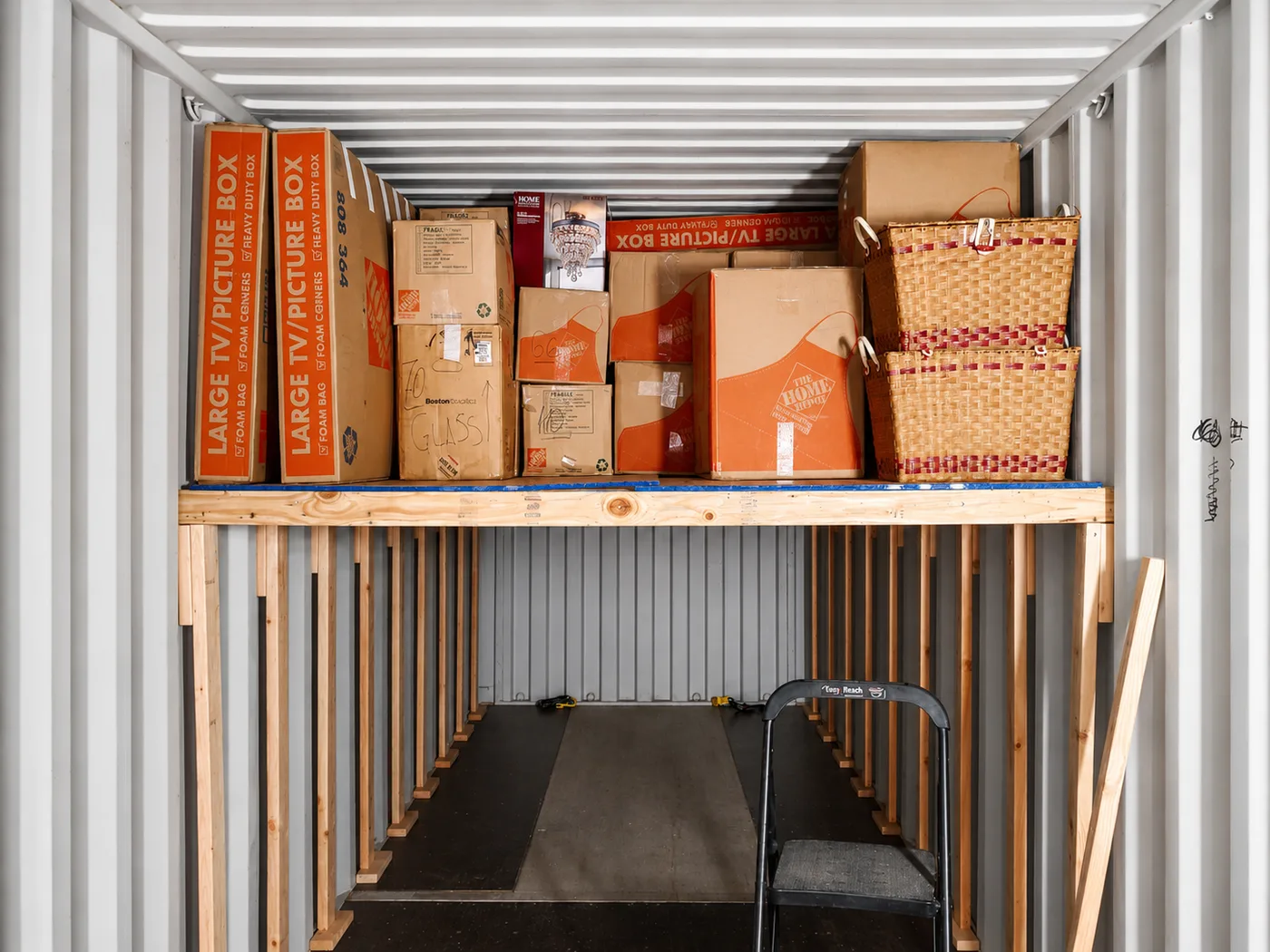
Household boxes carefully packed into a container

BEFORE YOU SEAL IT

Send the cargo details. We will tell you what is still missing.

Include photos, packed dimensions, weight, value, origin, and destination. You will receive a written next step—not a vague “it should be fine.”